
Caring for Senior and Aggressive Dogs
Updated: Sep 27, 2025
Caring for senior and aggressive dogs can be a challenging yet rewarding experience. At our spa, we understand the unique needs of these dogs and strive to provide a safe, comfortable, and nurturing environment. Whether your furry friend is dealing with age-related issues or has a history of aggression, we have the expertise and facilities to help them thrive.
In this blog post, we will explore the best practices for caring for senior and aggressive dogs, share tips on how to create a calming atmosphere, and highlight the services we offer at our spa.
Understanding Senior Dogs
As dogs age, they go through various physical and emotional changes. Senior dogs may experience decreased mobility, vision and hearing loss, and changes in behavior. It is essential to recognize these changes and adapt their care accordingly.
Common Issues in Senior Dogs
Joint Pain: Many senior dogs suffer from arthritis or other joint issues. This can make it difficult for them to move around comfortably.
Cognitive Decline: Some older dogs may experience cognitive dysfunction syndrome, which can lead to confusion and anxiety.
Health Problems: Senior dogs are more prone to health issues such as heart disease, diabetes, and kidney problems.
By understanding these common issues, we can provide better care for our senior furry friends.
Creating a Safe Environment
For both senior and aggressive dogs, a safe environment is crucial. Here are some tips to create a calming atmosphere:
Quiet Spaces: Designate quiet areas where dogs can retreat when they feel overwhelmed. This can help reduce anxiety.
Non-Slip Surfaces: Ensure that floors are non-slip to prevent falls, especially for senior dogs with mobility issues.
Comfortable Bedding: Provide soft, supportive bedding to help senior dogs rest comfortably.
Controlled Interactions: For aggressive dogs, it is essential to control their interactions with other dogs and people. This can help prevent stressful situations.
By implementing these strategies, we can create a safe and welcoming environment for all dogs.
Specialized Care for Senior Dogs
At our spa, we offer specialized services tailored to the needs of senior dogs. Here are some of the services we provide:
Gentle Grooming
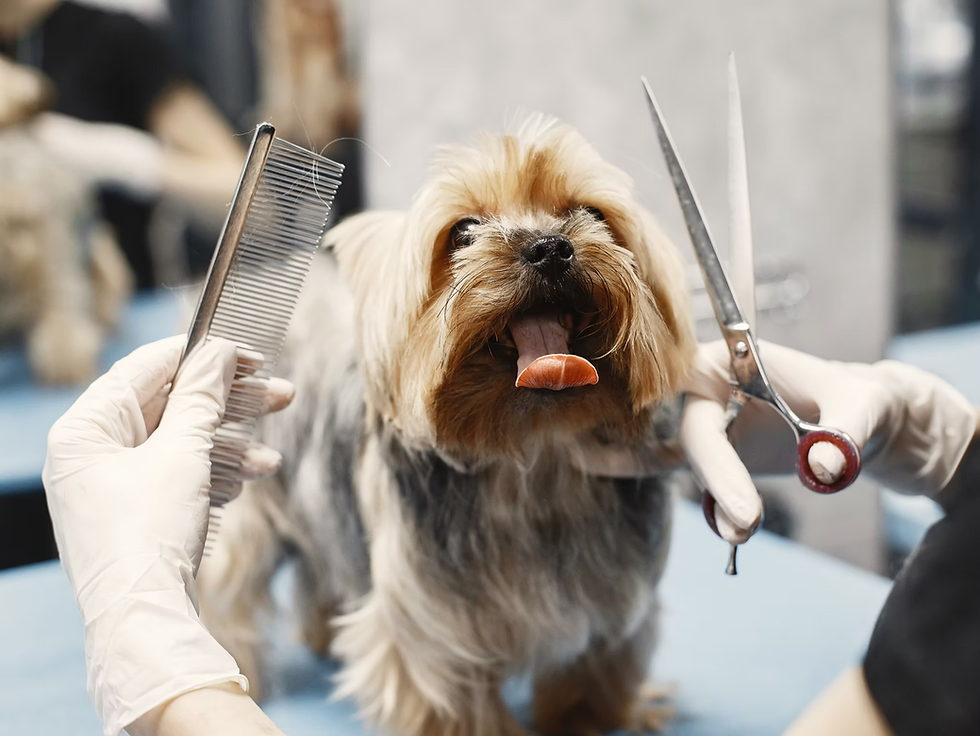
Grooming is essential for all dogs, but senior dogs may require a gentler approach. Our groomers are trained to handle senior dogs with care, ensuring a stress-free experience.
Therapeutic Massages
Therapeutic massages can help alleviate joint pain and improve circulation in senior dogs. Our trained staff uses gentle techniques to provide relief and relaxation.
Regular Health Checks
We conduct regular health checks to monitor the well-being of senior dogs. This includes checking for signs of pain, mobility issues, and overall health.
By offering these specialized services, we can help senior dogs enjoy their golden years.
Addressing Aggression in Dogs
Aggression in dogs can stem from various factors, including fear, anxiety, and past trauma. It is essential to address these issues with care and understanding.
Identifying Triggers
Understanding what triggers aggressive behavior is the first step in managing it. Common triggers include:
Strangers: Many dogs feel threatened by unfamiliar people.
Other Dogs: Some dogs may react aggressively towards other dogs, especially if they feel cornered.
Loud Noises: Sudden loud noises can startle dogs and lead to aggressive reactions.
By identifying these triggers, we can work on desensitizing dogs to their fears.
Positive Reinforcement Training
Positive reinforcement training is an effective way to modify aggressive behavior. This involves rewarding desired behaviors rather than punishing unwanted ones.
Treats: Use treats to reward calm behavior around triggers.
Praise: Verbal praise can reinforce positive interactions.
Gradual Exposure: Slowly expose dogs to their triggers in a controlled manner, rewarding them for calm behavior.
By using positive reinforcement, we can help aggressive dogs learn to feel more comfortable in various situations.
The Role of Socialization
Socialization is crucial for both senior and aggressive dogs. It helps them become more comfortable in different environments and around other dogs and people.
Controlled Socialization Opportunities
At our spa, we offer controlled socialization opportunities for dogs. This includes:
Small Group Play: We organize small group play sessions for dogs that are comfortable with other dogs. This allows them to interact in a safe environment.
Calm Introductions: For aggressive dogs, we introduce them to new experiences gradually, ensuring they feel safe and secure.
Positive Experiences: We focus on creating positive experiences during socialization to build confidence.
By providing these opportunities, we can help dogs develop better social skills.
Enrichment Activities
Enrichment activities are essential for keeping dogs mentally and physically stimulated. This is especially important for senior and aggressive dogs, as it can help reduce anxiety and improve overall well-being.
Types of Enrichment Activities
Puzzle Toys: These toys challenge dogs to think and problem-solve, keeping their minds engaged.
Scent Work: Engaging a dog’s sense of smell can be a great way to provide mental stimulation. Hide treats around the spa for dogs to find.
Gentle Exercise: For senior dogs, gentle walks or low-impact activities can help keep them active without overexerting them.
By incorporating enrichment activities into their routine, we can enhance the quality of life for both senior and aggressive dogs.
Building Trust with Dogs
Building trust with senior and aggressive dogs is essential for their well-being. Here are some ways to foster trust:
Consistent Routines
Dogs thrive on routine. Establishing a consistent schedule for feeding, walks, and playtime can help them feel secure.
Patience and Understanding
It is crucial to be patient and understanding with dogs, especially those with a history of aggression. Take the time to build a relationship based on trust.
Positive Interactions
Encourage positive interactions with people and other dogs. This can help build confidence and reduce fear.
By focusing on trust-building, we can create a strong bond with our furry friends.
The Importance of Communication
Effective communication is key when caring for senior and aggressive dogs. This includes understanding their body language and vocalizations.
Recognizing Signs of Stress
Being able to recognize signs of stress can help prevent aggressive behavior. Common signs include:
Growling: A warning sign that a dog is uncomfortable.
Barking: Excessive barking can indicate anxiety or fear.
Tense Body Language: A stiff body posture can signal that a dog is feeling threatened.
By paying attention to these signs, we can respond appropriately and help dogs feel more at ease.
Our Commitment to Care
At our spa, we are committed to providing the best care for senior and aggressive dogs. Our trained staff understands the unique needs of these dogs and is dedicated to creating a safe and nurturing environment.
Tailored Services
We offer a range of tailored services to meet the specific needs of each dog. This includes:
Individualized Attention: Each dog receives personalized care based on their unique needs.
Experienced Staff: Our staff is trained to handle senior and aggressive dogs with compassion and understanding.
Safe Environment: We prioritize safety and comfort for all dogs in our care.
By focusing on individualized care, we can ensure that every dog feels valued and loved.
Final Thoughts
Caring for senior and aggressive dogs requires patience, understanding, and specialized knowledge. At our spa, we are dedicated to providing the best care possible for these special dogs. By creating a safe environment, offering tailored services, and building trust, we can help them thrive.
If you have a senior or aggressive dog, consider visiting our spa. We are here to support you and your furry friend every step of the way. Together, we can ensure that they enjoy a happy and fulfilling life.


Comments