
Expert Dog Grooming Tips for Every Breed
Grooming your dog is more than just a routine task; it is an essential part of keeping your furry friend healthy and happy. Whether you have a fluffy Pomeranian or a sleek Greyhound, each breed has unique grooming needs. In this post, we will explore expert tips tailored for every breed, ensuring your dog looks and feels their best.
Understanding Your Dog's Coat Type
Before diving into specific grooming tips, it is crucial to understand your dog's coat type. Different breeds have different coat textures, lengths, and grooming requirements. Here are the main coat types:
Short-haired: Breeds like Beagles and Boxers have short, smooth coats that require minimal grooming. Regular brushing helps remove loose hair and dirt.
Medium-haired: Breeds such as Cocker Spaniels and Bulldogs have medium-length fur. They need regular brushing to prevent matting and to keep their coat healthy.
Long-haired: Breeds like Shih Tzus and Afghan Hounds have long, flowing coats that require frequent grooming. Daily brushing is often necessary to prevent tangles.
Curly-haired: Breeds such as Poodles and Portuguese Water Dogs have curly coats that can mat easily. Regular grooming and professional trims are essential.
Essential Grooming Tools
Having the right tools can make grooming easier and more effective. Here are some must-have grooming tools for every dog owner:
Brushes: Choose a brush that suits your dog's coat type. Slicker brushes work well for long-haired breeds, while bristle brushes are great for short-haired dogs.
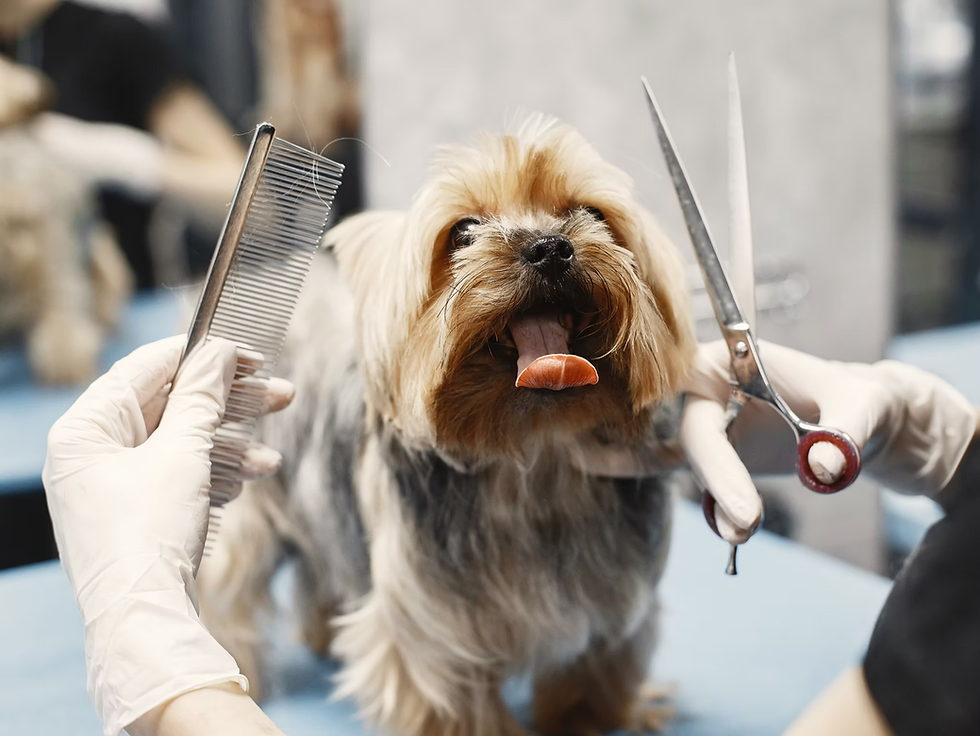
Combs: A metal comb can help detangle knots and check for parasites.
Nail clippers: Regular nail trimming is vital for your dog's health. Choose clippers that are comfortable for you to use.
Shampoo: Use a dog-specific shampoo that suits your dog's skin type. Avoid human shampoos, as they can irritate your dog's skin.
Towels: Keep a few towels handy for drying your dog after a bath.
Grooming Tips for Short-Haired Breeds
Short-haired breeds are often easier to groom, but they still need care. Here are some tips:
Regular brushing: Brush your dog at least once a week to remove loose hair and dirt. This helps keep their coat shiny and healthy.
Bathing: Bathe your short-haired dog every 4 to 6 weeks, or as needed. Use a gentle dog shampoo to avoid skin irritation.
Nail trimming: Check your dog's nails regularly and trim them every 3 to 4 weeks. This prevents discomfort and keeps their paws healthy.
Ear cleaning: Check your dog's ears weekly for dirt and wax buildup. Use a vet-recommended ear cleaner to keep them clean.
Grooming Tips for Medium-Haired Breeds
Medium-haired breeds require a bit more attention. Here are some grooming tips:
Brushing: Brush your dog 2 to 3 times a week to prevent matting and remove loose hair.
Bathing: Bathe your medium-haired dog every 6 to 8 weeks. This helps keep their coat clean and healthy.
Dealing with mats: If you find mats, use a dematting tool or comb to gently work them out. Be patient and avoid pulling on the hair.
Regular check-ups: Schedule regular vet visits to ensure your dog’s skin and coat are healthy.
Grooming Tips for Long-Haired Breeds
Long-haired breeds need consistent grooming to keep their coats looking their best. Here are some tips:
Daily brushing: Brush your dog every day to prevent tangles and mats. Focus on areas that are prone to matting, such as behind the ears and under the legs.
Bathing: Bathe your long-haired dog every 4 to 6 weeks. Use a moisturizing shampoo to keep their coat soft.
Professional grooming: Consider taking your dog to a professional groomer every few months for a trim. This helps maintain their coat and keeps it manageable.
Ear and eye care: Long-haired breeds often have hair that can irritate their eyes and ears. Regularly check and trim any excess hair in these areas.
Grooming Tips for Curly-Haired Breeds
Curly-haired breeds require special attention to prevent matting. Here are some grooming tips:
Regular brushing: Brush your dog at least 3 times a week using a slicker brush. This helps prevent mats and keeps their curls looking great.
Bathing: Bathe your curly-haired dog every 4 to 6 weeks. Use a gentle, moisturizing shampoo to keep their coat hydrated.
Professional grooming: Schedule regular visits to a professional groomer who understands how to care for curly coats. They can provide trims and help maintain your dog's coat.
Detangling spray: Use a dog-safe detangling spray to help manage knots and tangles. This can make brushing easier and more comfortable for your dog.
Seasonal Grooming Considerations
Grooming needs can change with the seasons. Here are some tips for seasonal grooming:
Spring: As the weather warms up, dogs may shed more. Increase brushing frequency to manage shedding and keep your home clean.
Summer: Keep your dog cool by trimming their coat if they have long hair. Regular baths can also help keep them comfortable.
Fall: Prepare for shedding season by brushing your dog more often. This helps remove loose hair and keeps their coat healthy.
Winter: Protect your dog's paws from ice and salt by using paw balm. Regular grooming helps keep their coat warm and insulated.
Grooming for Health
Grooming is not just about appearance; it is also essential for your dog's health. Here are some health-related grooming tips:
Skin checks: While grooming, check your dog's skin for lumps, bumps, or irritations. If you notice anything unusual, consult your vet.
Ear health: Regular ear cleaning can prevent infections. If your dog shakes their head frequently, it may indicate an ear issue.
Dental care: Incorporate dental care into your grooming routine. Brush your dog's teeth regularly and consider dental chews to promote oral health.
The Importance of Positive Reinforcement
Grooming can be stressful for some dogs. To make the experience more enjoyable, use positive reinforcement. Here are some tips:
Treats: Reward your dog with treats during and after grooming sessions. This helps create a positive association with grooming.
Short sessions: Keep grooming sessions short, especially for anxious dogs. Gradually increase the duration as they become more comfortable.
Calm environment: Create a calm and quiet space for grooming. This can help reduce anxiety and make the process smoother.
Final Thoughts on Grooming Your Dog
Grooming is an essential part of dog care that goes beyond just keeping your pet looking good. It is an opportunity to bond with your dog and ensure their health and happiness. By understanding your dog's specific grooming needs and using the right tools, you can make grooming a positive experience for both you and your furry friend.
Remember, every dog is unique, and their grooming needs may vary. Pay attention to your dog's coat, skin, and overall health. With patience and love, you can keep your dog looking and feeling their best.
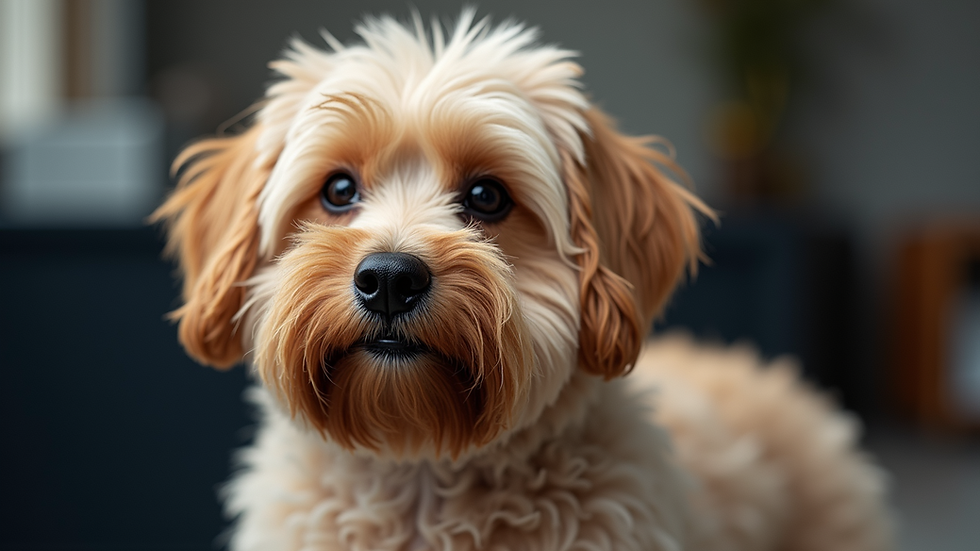
By following these expert grooming tips, you can ensure that your dog remains healthy, happy, and stylish, no matter their breed. Happy grooming!


Comments